Do It Yourself Roofing System Repair: A Step-by-Step Guide to Dealing With Common Issues
You can tackle typical roofing system problems on your own by beginning with an extensive inspection for noticeable damage like missing roof shingles or sagging locations. Spot leaks by securing flashing and replacing harmed tiles. Routine checks assist protect against costly repairs.
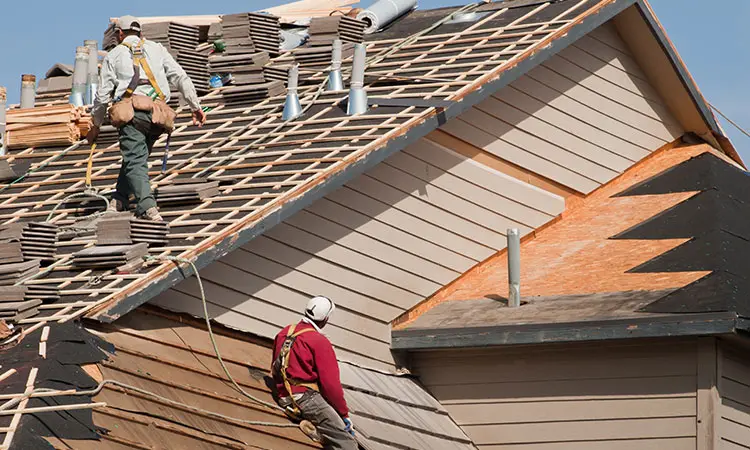 roof repair
Assessing Your Roof Covering for Damage
Before you climb onto your roof covering, it's important to examine it from the ground to recognize any kind of visible signs of damages. Look for missing out on roof shingles, crinkled edges, or discoloration that may suggest leaks. Keep an eye out for drooping locations, which can signal architectural issues. Bear in mind of any particles, like branches or leaves, that might be capturing dampness.
Following, examine your seamless gutters for granules from roof shingles or standing water, both of which can indicate roof covering issues. If you find any kind of discolorations on ceilings or walls inside your home, these might be signs of water damages connected to your roofing system.
Don't neglect to check out blinking around vents and smokeshafts, as damaged flashing can cause leaks. If you discover anything concerning, it's ideal to resolve it quickly to stay clear of much more comprehensive repair work later on. Always prioritize safety, and do not wait to call a professional if needed.
Gathering the Needed Devices and Products
Prior to you begin your roof repair work, you require to collect the right tools and products. Recognizing what vital devices you'll need, creating a checklist of necessary products, and focusing on security equipment will certainly establish you up for success. Let's look at what you'll need to tackle this task effectively and securely.
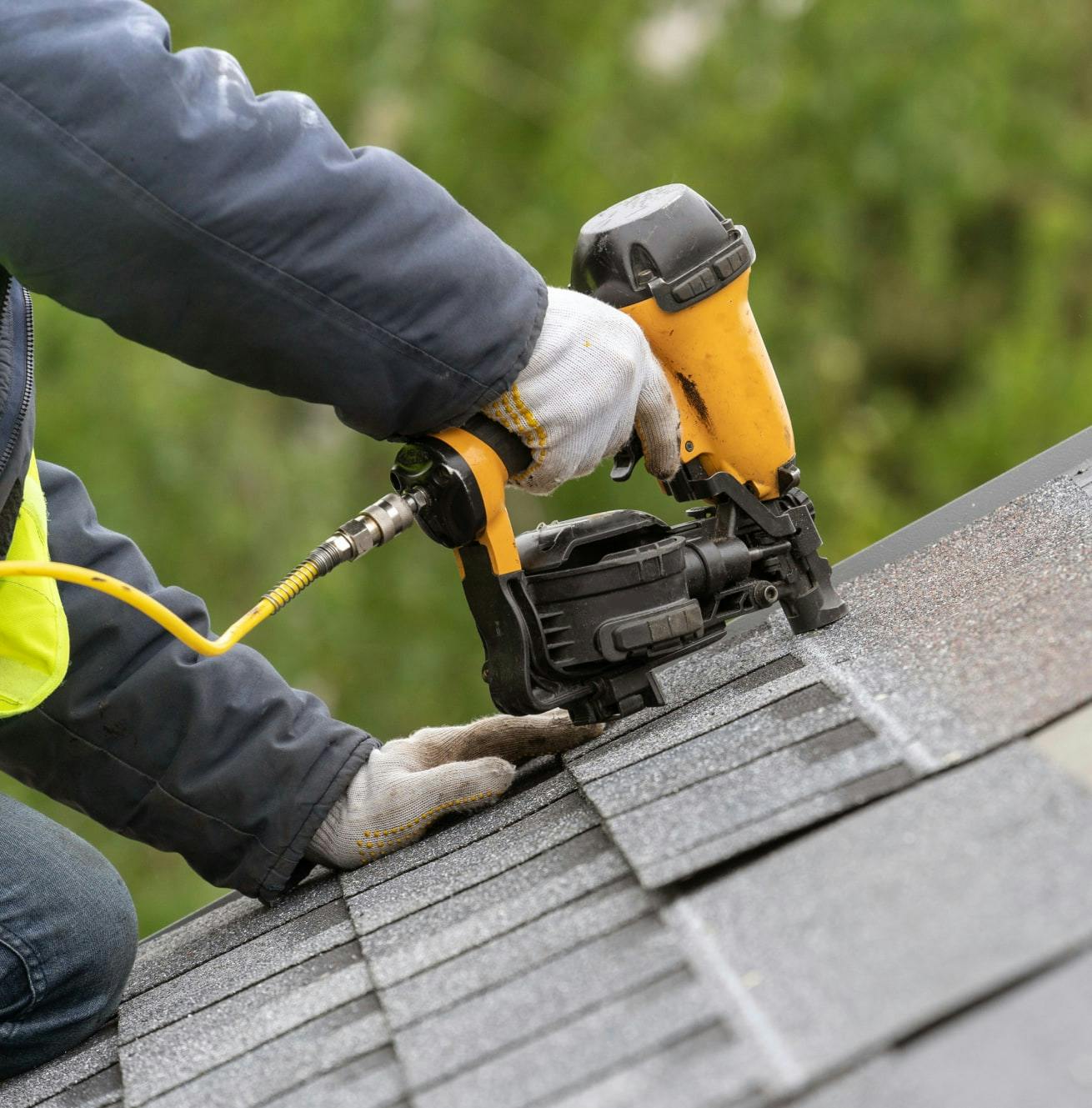 roof repair
Necessary Tools Introduction
A strong roofing repair work begins with the right tools and materials at your side. To take on usual concerns successfully, you'll require a couple of important devices. Get a strong ladder to securely access your roof. A roof hammer or a nail weapon will certainly help you safeguard shingles or various other materials. Don't neglect an utility blade for cutting roof covering materials accurately.
Security equipment is vital as well; a pair of job gloves and safety and security goggles will certainly shield you from sharp edges and particles. A tape procedure assurances exact dimensions while a crowbar helps get rid of harmed tiles. With these devices in hand, you'll be prepared to deal with various roofing fixings confidently.
Required Products List
With your devices ready, it's time to gather the materials needed for your roofing system repair work. For blinking repairs, get brand-new flashing materials that fit your roof covering type. Having all these products on hand will make your repair process smoother and much more effective, so you can get the work done right.
Safety And Security Equipment Significance
While you could be enthusiastic to start your roof covering repair work, do not forget the value of safety and security equipment. Wearing the right equipment can avoid major injuries and ensure you work effectively. Start with a tough headgear to safeguard your head from dropping particles. Non-slip shoes are necessary for maintaining hold on the roof covering's surface. Do not forget gloves; they'll maintain your hands risk-free from sharp tools and materials. Safety goggles will protect your eyes from dust and particles. A harness is a must if your roofing system is steep or high, protecting against falls. Lastly, a first-aid package need to always be on hand for small injuries. Prioritizing security gear establishes you up for a safe and effective fixing job.
Patching Roofing Leakages
When you notice a leak, the initial step is identifying its source to guarantee a reliable spot. You'll need to select the right materials for an enduring solution when you determine the trouble. We'll walk you via the very best application strategies to start here seal those leakages and protect your home.
Identifying Leakage Resources
Just how do you identify the resource of a roofing leak? Beginning by evaluating your roofing for visible damage or wear. Seek cracked shingles, missing out on ceramic tiles, or rusted flashing. Check the areas around skylights, chimneys, and vents, as these are common leak spots. If it's safe, go up to your roofing and visually scan for any type of abnormalities. After hefty rainfall, go inside your attic or top floorings to search for water discolorations or drips. Utilize a flashlight to aid you see better in dark locations. If you can't discover the source, take into consideration utilizing a garden hose pipe to mimic rainfall, section by section, until you determine where the water gets in. This technique can aid tighten down the leakage's beginning.
Picking Patch Products
Selecting the appropriate patch products is important for efficiently fixing a roof covering leakage. For level roofs, use a specialized patching product developed for that surface.
Constantly make particular the products are suitable with your existing roofing to ensure a long-lasting fix. Select high-quality items to avoid constant repair services down the line.
Application Strategies Clarified
Using patch products effectively is critical for sealing roofing system leaks and preventing additional damages. This assures a strong bond in between the spot and the roof surface. Next off, reduce your spot product to fit over the harmed location, prolonging it at least 2 inches beyond the sides of the leakage.
Changing Damaged Shingles
When you observe harmed tiles on your roof, it's vital to resolve the problem without delay to prevent further leakages and architectural damage. Beginning by gathering your devices: a crowbar, hammer, roof covering nails, and substitute roof shingles that match your existing ones. Carefully raise the harmed shingle with your pry bar to eliminate it without interrupting the surrounding tiles. Once it's cost-free, inspect the location beneath for any type of indications of damage. If everything looks excellent, glide the brand-new tile right into area, straightening it with the others. Protect it with nails, making sure to adhere to the producer's guidelines for positioning. Remember to cover the nail heads with a little roofing cement to guarantee appropriate securing. Lastly, step back and check your job to confirm a smooth look. With these fast steps, you can effectively replace damaged tiles and keep your roof covering's integrity.
Cleaning and Keeping Seamless Gutters
To keep your roofing in leading condition, consistently cleaning up and maintaining your seamless gutters is important. Clogged gutters can bring about water damage, mold growth, and even architectural issues. Start by inspecting your rain gutters for particles like leaves, branches, and dirt. Use a tough ladder and use gloves to eliminate any type of accumulation. A scoop or trowel can assist you clear stubborn obstructions.
Next, flush your rain gutters with a garden tube to guarantee water flows openly. Examine for leakages or corrosion areas while you're at it. Take into consideration using a sealer or changing damaged areas. if you notice any kind of problems.
To avoid future blockages, set up gutter guards or displays, and make it a routine to clean your seamless gutters a minimum of two times a year, specifically prior to hefty rains or snow. Regular maintenance not just expands the life of your gutters however additionally safeguards your entire roof covering system.
Sealing Roof Covering Vents and Flashing
Sealing roofing system vents and blinking is important for stopping leakages and protecting your home from water damage. Begin by evaluating the areas around your roofing system vents and blinking for any kind of gaps or splits.
Apply the sealer kindly, filling up all gaps and fractures, then smooth it out with your finger or a caulking tool for a cool finish. Make certain the sealer expands a little beyond the sides to produce a strong bond.
Permit the sealer to treat as per the supplier's directions, generally a few hours or overnight. After securing, it's a great concept to examine your job after a rainstorm to confirm whatever keeps water tight. Routine upkeep of your roofing vents and flashing can save you from costly repair work down the line.
Checking and Repairing Roof covering Valleys
Roof covering valleys are crucial locations where 2 inclines meet, and they play a crucial duty in guiding water away from your home. To check your roof covering valleys, begin by climbing up securely and searching for indications of damages like loosened roof shingles, fractures, or particles. Clear out any fallen leaves or dust that may obstruct water flow. You'll require to take action promptly to stop leakages. if you discover any type of concerns.
For small repair work, replace damaged roof shingles and apply roofing concrete to seal voids. You might require to get rid of the affected area and set up brand-new blinking if the valley is thoroughly damaged. Make sure to overlap the brand-new products properly to guarantee a tight seal. After completing your fixings, monitor the valleys throughout hefty rain to verify they're operating appropriately. Looking after roofing valleys promptly will help shield your home from water damages and expand the life of your roof.
Frequently Asked Questions
If My Roofing Demands Replacement Rather of Fixing?, exactly how Can I Determine.
To establish if your roof requires replacement, look for extensive damages, drooping areas, or missing out on tiles. Consider replacement over repair service. if leaks continue regardless of fixings or it's nearing the end of its life expectancy.
What Safety and security Preventative Measures Should I Take While Fixing My Roof?
When repairing your roof, always use a safety harness and non-slip footwear. Make sure your ladder's stable, stay clear of operating in negative climate, and have a person close by to aid you in instance of emergency situations.
Exactly how Usually Should I Check My Roof Covering for Damage?
You should inspect your roof covering at least twice a year, preferably in spring and loss. After serious weather condition, look for damages as well. Routine inspections can aid you catch concerns prior to they transform into expensive fixings.
Can I Repair My Roof Covering in Bad Climate Issues?
You shouldn't try roof covering repairs in negative weather condition. Rain, snow, or strong winds can increase dangers and make complex the process. Wait on clear problems to assure your safety and achieve a proper repair service.
What Should I Do if I Encounter Wild Animals in My Attic Throughout Fixes?
If you experience wild animals in your attic room throughout fixings, stop immediately. Secure the location, avoid surprising the pets, and call a professional wild animals removal service to securely manage the circumstance before proceeding your job.
Prior to you begin your roofing system repair work, you require to collect the right tools and materials.A solid roofing system repair begins with the right devices and products at your side.With your tools prepared, it's time to gather the materials required for your roof repair service.Picking the appropriate spot products is crucial for effectively fixing a roof leakage. Taking treatment of roofing valleys quickly will help shield your home from water damages and extend the life of your roofing.